
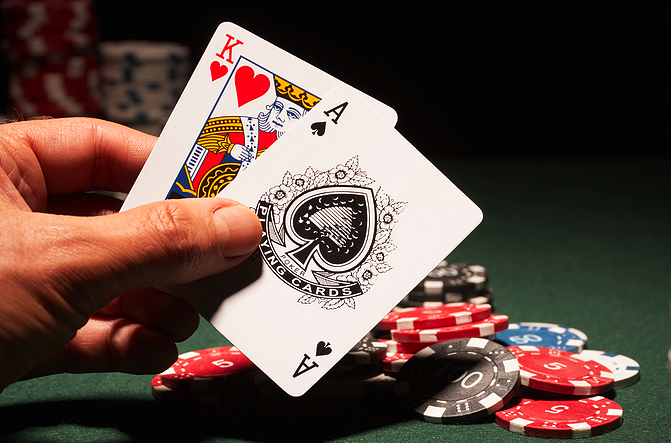
Blackjack has long been regarded as one of the most popular and accessible card games in the world. Known for its straightforward rules, fast-paced action, and blend of luck and strategy, it attracts both beginners and seasoned players. Unlike many other casino games, blackjack offers an opportunity to influence the outcome through decision-making, making it a favourite for players who enjoy combining chance with skill.
In this article, we will explore the origins of blackjack, the fundamental rules, strategies for winning, and practical tips for anyone looking to improve their game. Whether you are new to the table or seeking to refine your skills, understanding blackjack in depth will elevate your playing experience.
The Origins of Blackjack
The history of blackjack dates back centuries, with roots believed to be in 17th century France. The game, originally called “Vingt-et-Un” (meaning twenty-one), was played at French casinos and soon spread across Europe. When it reached America in the 18th century, it evolved into the version we know today.
In its early days in the United States, casinos offered bonus payouts to attract players, such as a 10-to-1 reward for holding a hand with the ace of spades and a black jack (the jack of spades or clubs). This promotion led to the name “blackjack,” which became the universal term for the game.
Understanding the Basics of Blackjack
At its heart, blackjack is a simple game with one core objective: beat the dealer without exceeding a total of 21.
Card Values
-
Number cards (2–10) hold their face value.
-
Face cards (jack, queen, king) are valued at 10.
-
The ace is flexible, counted as either 1 or 11 depending on what benefits the player’s hand.
The Aim
The goal is to create a hand value closer to 21 than the dealer’s without going over. Going above 21 results in a “bust” and an automatic loss.
The Deal
-
Each player is dealt two cards face up.
-
The dealer receives two cards, typically one face up (the “upcard”) and one face down (the “hole card”).
-
Players then make their decisions, such as whether to draw another card or stay with their current total.
Key Player Decisions
Every blackjack hand involves a sequence of choices, and understanding these is essential to playing well.
Hit
Requesting another card to increase the hand’s value.
Stand
Keeping your current total and ending your turn.
Double Down
Doubling your original bet in exchange for committing to receive just one more card.
Split
If your first two cards are of equal rank, you can split them into two separate hands, each with its own bet.
Surrender
In some games, players may surrender their hand immediately after the deal, forfeiting half of their wager to avoid playing a weak hand.
The Role of the Dealer
The dealer’s actions are governed by strict rules. Unlike players, they do not make choices based on strategy. Typically, the dealer must:
-
Hit until they reach at least 17.
-
Stand on 17 or higher (although in some variations, the dealer must hit on a “soft 17” which includes an ace valued as 11).
This consistency is what gives players the advantage of strategy, as they can predict the dealer’s likely course of action.
Basic Strategy in Blackjack
One of the unique aspects of blackjack is the existence of a mathematically proven “basic strategy.” This set of guidelines helps players decide the optimal move in every possible situation, based on their hand and the dealer’s upcard.
Key points of basic strategy include:
-
Always split aces and eights.
-
Never split tens or fives.
-
Double down when you have 11 against a dealer’s lower card.
-
Stand on a hard 17 or higher.
-
Hit on totals of 12–16 when the dealer shows a strong card (7 through ace).
Following basic strategy minimises the house edge, often reducing it to under 1%, making blackjack one of the most favourable casino games.
Advanced Blackjack Techniques
For players aiming to go beyond basic strategy, several advanced techniques exist.
Card Counting
This method involves tracking high and low cards that have been dealt to predict the likelihood of favourable cards appearing. Although not illegal, casinos strongly discourage this practice, and players suspected of counting may be asked to leave.
Betting Systems
Some players use progressive betting systems, such as increasing their wager after a win or loss. While these systems add structure, they do not change the fundamental odds of the game.
Bankroll Management
Maintaining discipline over your money is as crucial as mastering the rules. Setting win and loss limits helps ensure that play remains enjoyable and sustainable.
Common Variations of Blackjack
While the traditional game remains most popular, several variations exist to keep the experience fresh.
European Blackjack
The dealer receives only one card at the start and waits until players complete their turns before drawing the second card.
Spanish 21
Played with decks that remove the tens, this version adds unique bonus payouts and player-friendly rules.
Blackjack Switch
Players are dealt two hands and may swap their second cards to create stronger totals.
Tips for New Players
-
Learn the rules before playing for real money: Practise online or with friends to become confident in the mechanics.
-
Stick to basic strategy: Use a strategy chart to guide your decisions until they become second nature.
-
Manage your bankroll wisely: Never gamble more than you can afford to lose.
-
Stay calm under pressure: Emotional decisions often lead to mistakes.
-
Avoid insurance bets: These side bets typically increase the house edge.
The Social Side of Blackjack
Beyond the strategy, blackjack is also valued for its social nature. The game is often played at lively tables where players share excitement and engage with the dealer. Unlike many casino games, players are not competing against one another, but only against the dealer, which creates a more collaborative atmosphere.
The Psychology of Blackjack
Success in blackjack is not only about numbers but also about mindset. Confidence, patience, and emotional control play a significant role in decision-making. Many players enjoy the psychological challenge of staying composed when faced with risk, which adds another dimension to the game.
Frequently Asked Questions
What makes blackjack different from other card games?
Blackjack combines chance with strategy, offering players the opportunity to influence the outcome through decisions such as hitting, standing, or splitting. This strategic element makes it more engaging than games of pure luck.
Can beginners win at blackjack?
Yes. By learning the rules and following basic strategy, beginners can significantly improve their chances. Practising with free games before wagering money is an excellent way to build confidence.
How many decks are used in blackjack?
This depends on the variation. Traditional blackjack may use a single deck, but many casinos use between four and eight decks to make card counting more difficult.
What is a soft hand in blackjack?
A soft hand includes an ace counted as 11. For example, ace-6 is a soft 17, which can also be played as 7 if necessary.
Is blackjack purely a game of skill?
While skill and strategy reduce the house advantage, luck always plays a role. Each hand is influenced by random card distribution, but making optimal choices improves long-term results.
Why is blackjack often called the best casino game?
Because it offers one of the lowest house edges when played correctly. Unlike many other games, players can influence outcomes through strategy, giving them more control over their chances.
