
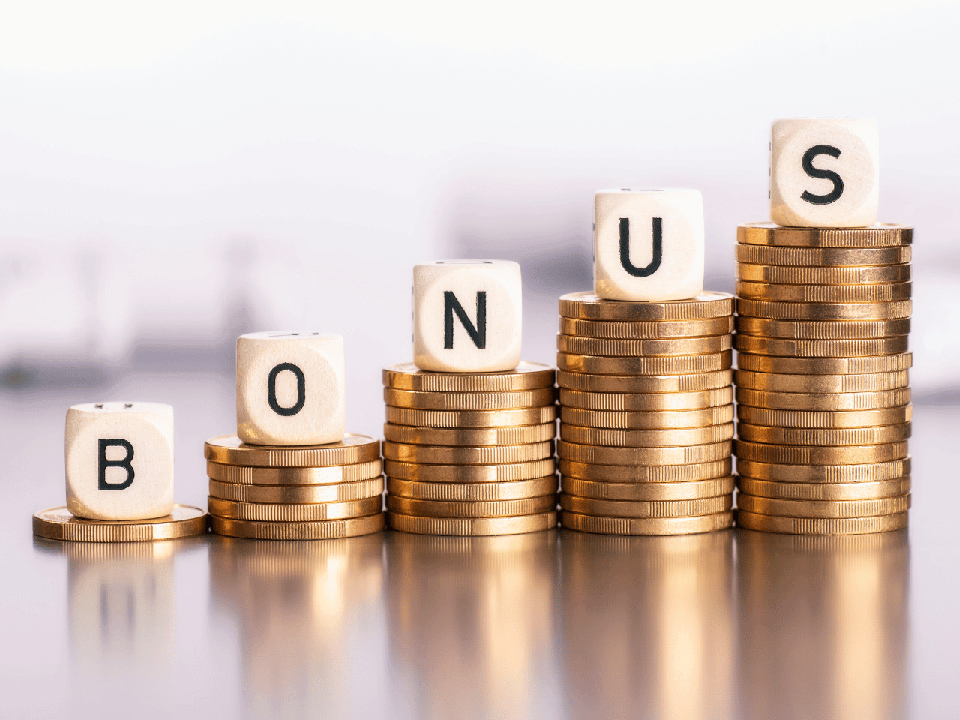
Bonuses have become an integral part of modern financial and professional systems. Whether in the workplace, consumer markets, or customer reward schemes, bonuses act as powerful motivators and value-additions. They can influence employee performance, attract new clients, and encourage loyalty. To fully appreciate their importance, it is vital to understand how bonuses function, their different types, and the strategies for maximising their benefits.
What is a Bonus?
A bonus is an additional reward or incentive offered beyond standard compensation or benefits. It may come in the form of money, discounts, points, or privileges. Bonuses are usually conditional, given upon achieving specific goals, meeting performance expectations, or participating in promotional schemes.
In professional contexts, bonuses boost productivity and morale. In consumer-facing sectors, they serve as an effective marketing tool. Regardless of the setting, bonuses represent added value and can significantly shape behaviours and outcomes.
Types of Bonuses in the Workplace
Bonuses within employment are designed to motivate staff, align them with company goals, and reward their efforts. Key types include:
Performance-Based Bonus
Awarded when employees exceed targets or deliver exceptional results. It often reflects both individual contributions and overall company success.
Annual or Year-End Bonus
Traditionally given at the close of the financial year, this bonus is common in industries where yearly profits are shared with staff.
Sign-On Bonus
Offered to new hires to attract top talent. It provides immediate financial reward upon joining and is often used in competitive recruitment markets.
Retention Bonus
Designed to encourage employees to stay during periods of change or uncertainty, such as mergers, acquisitions, or long-term projects.
Profit-Sharing Bonus
Linked to the profitability of the company, this bonus distributes a portion of earnings among employees, reinforcing a shared sense of achievement.
Consumer and Customer Bonuses
Outside the workplace, bonuses are widely used to encourage consumer behaviour. Examples include:
-
Cashback rewards on purchases
-
Loyalty points redeemable for goods or services
-
Referral bonuses for recommending a product or service
-
Seasonal bonuses such as holiday discounts or free gifts
These bonuses not only benefit the customer but also foster stronger brand relationships and repeat business.
The Psychological Impact of Bonuses
Bonuses are effective because they tap into core psychological drivers. People respond positively to unexpected rewards, and bonuses create feelings of appreciation and exclusivity. They also encourage:
-
Motivation: Employees work harder when a clear reward is in sight.
-
Engagement: Customers are more likely to remain loyal when they feel valued.
-
Competition: Performance-linked bonuses drive individuals and teams to excel.
When structured carefully, bonuses can produce long-lasting behavioural change.
Designing an Effective Bonus Scheme
To create a successful bonus structure, whether in business or marketing, certain principles should be followed:
-
Clarity: The criteria for earning a bonus must be clear and transparent.
-
Relevance: Bonuses should align with the goals of the organisation or campaign.
-
Fairness: Rewards should reflect genuine effort or achievement.
-
Timeliness: Immediate or prompt delivery of bonuses reinforces positive behaviour.
-
Sustainability: The system should be financially viable and not cause long-term strain.
Tax and Financial Considerations
Bonuses often carry tax implications. In employment, they are typically treated as income and taxed accordingly. For businesses offering consumer bonuses, there may be costs to account for in budgeting and financial planning. Understanding the legal and fiscal side ensures compliance and avoids potential disputes.
Common Challenges with Bonuses
Despite their benefits, bonuses are not without risks. Some challenges include:
-
Employees expecting bonuses as entitlements rather than rewards
-
Short-term motivation that fades after the bonus is received
-
Increased financial pressure on organisations
-
Misaligned incentives leading to unintended behaviours
To overcome these, organisations must review and adapt their bonus strategies regularly.
The Role of Bonuses in Modern Business Culture
In today’s competitive environment, bonuses serve as more than simple rewards. They are tools of strategic importance. Companies use them to:
-
Retain skilled employees
-
Drive customer acquisition and loyalty
-
Enhance reputation as a rewarding employer or service provider
-
Create measurable performance improvements
Real-Life Examples of Bonus Effectiveness
-
A retail chain introduced a seasonal loyalty bonus, which increased repeat purchases by 30% within three months.
-
An IT company offered retention bonuses during a restructuring, successfully retaining 90% of key staff through the transition.
-
A hospitality business used referral bonuses, resulting in a sharp rise in new customer sign-ups and long-term engagement.
These examples highlight how bonuses can be adapted to different industries and deliver tangible results.
Future Trends in Bonuses
The landscape of bonuses continues to evolve. Future trends may include:
-
Digital bonuses through e-wallets and virtual currencies
-
Eco-friendly rewards for sustainable actions
-
Personalised bonuses based on customer data and preferences
-
Hybrid bonus models combining financial and non-financial incentives
Businesses that adapt to these trends will remain ahead in motivating both employees and customers.
FAQs About Bonuses
What is the difference between a bonus and a commission?
A bonus is typically a one-off reward for performance or loyalty, while commission is a structured payment tied directly to sales or specific outcomes.
Can bonuses improve long-term employee retention?
Yes, especially retention and profit-sharing bonuses, as they create financial and emotional ties between employees and their organisation.
Are consumer bonuses always beneficial?
They are beneficial when they add real value and are easy to redeem. Poorly designed bonuses may frustrate customers and harm brand reputation.
How do companies ensure fairness in bonuses?
By setting transparent criteria, aligning rewards with measurable outcomes, and applying the scheme consistently across all eligible individuals.
What are non-monetary bonuses?
These can include extra holidays, flexible working arrangements, training opportunities, or recognition awards, all of which can be highly valued by employees.
Do bonuses differ across industries?
Yes, industries such as finance and sales often rely heavily on monetary bonuses, while creative or non-profit sectors may focus more on recognition-based incentives.
