
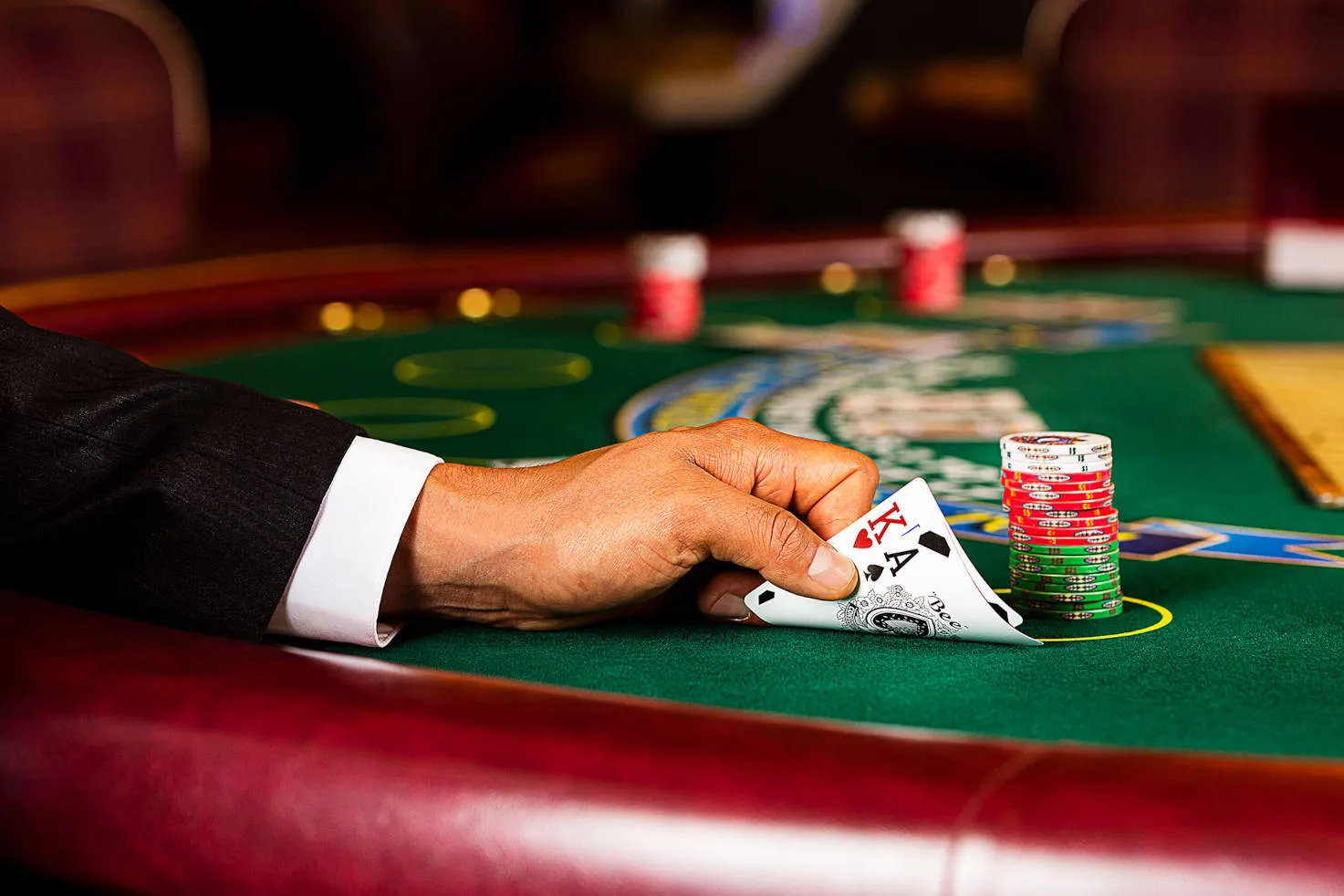
Blackjack is one of the most popular and timeless card games played in casinos worldwide. Known for its blend of chance, skill, and decision-making, it offers excitement for beginners and professionals alike. Unlike many games of pure luck, blackjack gives players the opportunity to influence the outcome through strategy. Understanding the fundamentals, strategies, and nuances of the game can significantly improve your chances of success.
The Basics of Blackjack
At its core, blackjack is a card game where the objective is to beat the dealer by having a hand value closer to 21 without exceeding it. Every card holds a specific value:
-
Numbered cards (2–10) are worth their face value
-
Face cards (Jack, Queen, King) are valued at 10
-
Aces can be worth either 1 or 11, depending on what benefits the hand most
Each player competes against the dealer, not against each other, which makes blackjack unique compared to many other casino games.
Understanding the Flow of the Game
The game follows a structured sequence:
-
Placing Bets: Players place their wagers before cards are dealt.
-
Initial Deal: Each player and the dealer receive two cards. Players’ cards are usually dealt face-up, while the dealer has one card face-up and one face-down (the “hole card”).
-
Player Decisions: Players can choose to hit (take another card), stand (keep their current total), double down (double the bet and take one final card), split pairs (separate identical cards into two hands), or in some versions, surrender.
-
Dealer’s Turn: After players act, the dealer reveals their hole card and must hit until reaching at least 17.
-
Resolution: If the player’s total is closer to 21 than the dealer’s without busting, they win. If the dealer busts (goes over 21), all remaining players win.
Key Blackjack Terms Every Player Should Know
-
Blackjack: A hand consisting of an Ace and a 10-value card, totalling 21.
-
Bust: Exceeding 21, resulting in an automatic loss.
-
Hit: Requesting another card from the dealer.
-
Stand: Declining additional cards and keeping the current total.
-
Double Down: Doubling the initial bet in exchange for exactly one more card.
-
Split: Dividing two identical cards into two separate hands.
-
Insurance: A side bet offered when the dealer’s face-up card is an Ace, protecting against a dealer blackjack.
The Importance of Basic Strategy
Blackjack strategy isn’t about guessing; it’s built on mathematical probability. Basic strategy charts are designed to help players make the statistically best move in any situation. While the exact chart may vary slightly depending on the casino rules, the principles remain the same:
-
Always hit on a hard total of 8 or lower.
-
Stand on hard totals of 17 or higher.
-
Double down when you have 11 against a dealer’s low card (2–10).
-
Split Aces and 8s but never split 5s or 10s.
-
Take insurance cautiously, as it often increases the house edge.
The Role of Probability in Blackjack
Unlike many other casino games, blackjack allows you to reduce the house edge with proper play. On average, the house edge is about 0.5% when using basic strategy. This means skilled players have one of the best chances in the casino to walk away profitable. Understanding the likelihood of certain outcomes, such as busting when hitting on a 16, enables you to make more informed decisions.
Advanced Blackjack Strategies
For experienced players, strategies extend beyond the basic rules:
-
Card Counting: Tracking the ratio of high to low cards left in the deck to adjust betting and playing decisions. While not illegal, it is discouraged in many casinos.
-
Bankroll Management: Setting limits and managing your funds ensures longer play and reduced risk of significant losses.
-
Table Selection: Choosing tables with favourable rules, such as those allowing late surrender or doubling after splits, can improve your odds.
-
Dealer Tells and Patterns: Observing subtle cues in how a dealer handles cards can sometimes provide insights, though this requires great attention.
Common Mistakes to Avoid
Many new players make decisions based on gut feeling rather than logic. Some mistakes to avoid include:
-
Taking insurance too often
-
Failing to split Aces and 8s
-
Chasing losses with aggressive betting
-
Ignoring basic strategy in favour of instinct
-
Sitting at tables with unfavourable rules
The Psychology of Blackjack
Beyond numbers, psychology plays a significant role. Staying calm, avoiding emotional decisions, and keeping a clear mind improves your overall performance. Patience and discipline often make the difference between long-term success and costly mistakes.
Variations of Blackjack
While classic blackjack remains the most common version, there are several popular variations:
-
European Blackjack: The dealer only receives one card until all players act.
-
Pontoon: A British variant with different rules for 21 and five-card hands.
-
Spanish 21: Played with a 48-card deck (no 10s), offering unique bonus payouts.
-
Multi-hand Blackjack: Allows players to bet on multiple hands simultaneously.
Why Blackjack Remains a Timeless Game
The enduring appeal of blackjack lies in its simplicity combined with strategic depth. Unlike games that rely solely on luck, blackjack empowers players with decision-making opportunities that can influence the outcome. This balance makes it both accessible for beginners and challenging for seasoned players.
FAQ Section
Is blackjack purely a game of luck or skill?
Blackjack is a combination of both. While luck influences the cards you are dealt, skill in applying strategy significantly improves your chances of winning.
What is the best seat at a blackjack table?
The final seat (known as third base) is often considered advantageous because you act after all other players and just before the dealer. However, the odds remain the same regardless of seat position.
How much can I expect to win at blackjack?
Winnings vary based on strategy, bankroll, and luck. With correct play, the house edge is low, so consistent players can enjoy steady, moderate returns rather than huge windfalls.
Can you play blackjack online with live dealers?
Yes, many casinos offer live dealer blackjack where real dealers interact via video, providing an authentic casino atmosphere from home.
What is the difference between soft and hard hands?
A soft hand contains an Ace counted as 11, giving flexibility if another high card is drawn. A hard hand has a fixed value without such flexibility.
Should I always aim for 21?
Not necessarily. The goal is to beat the dealer, not simply reach 21. Sometimes standing on a lower total, like 17, is statistically the smarter move.
