
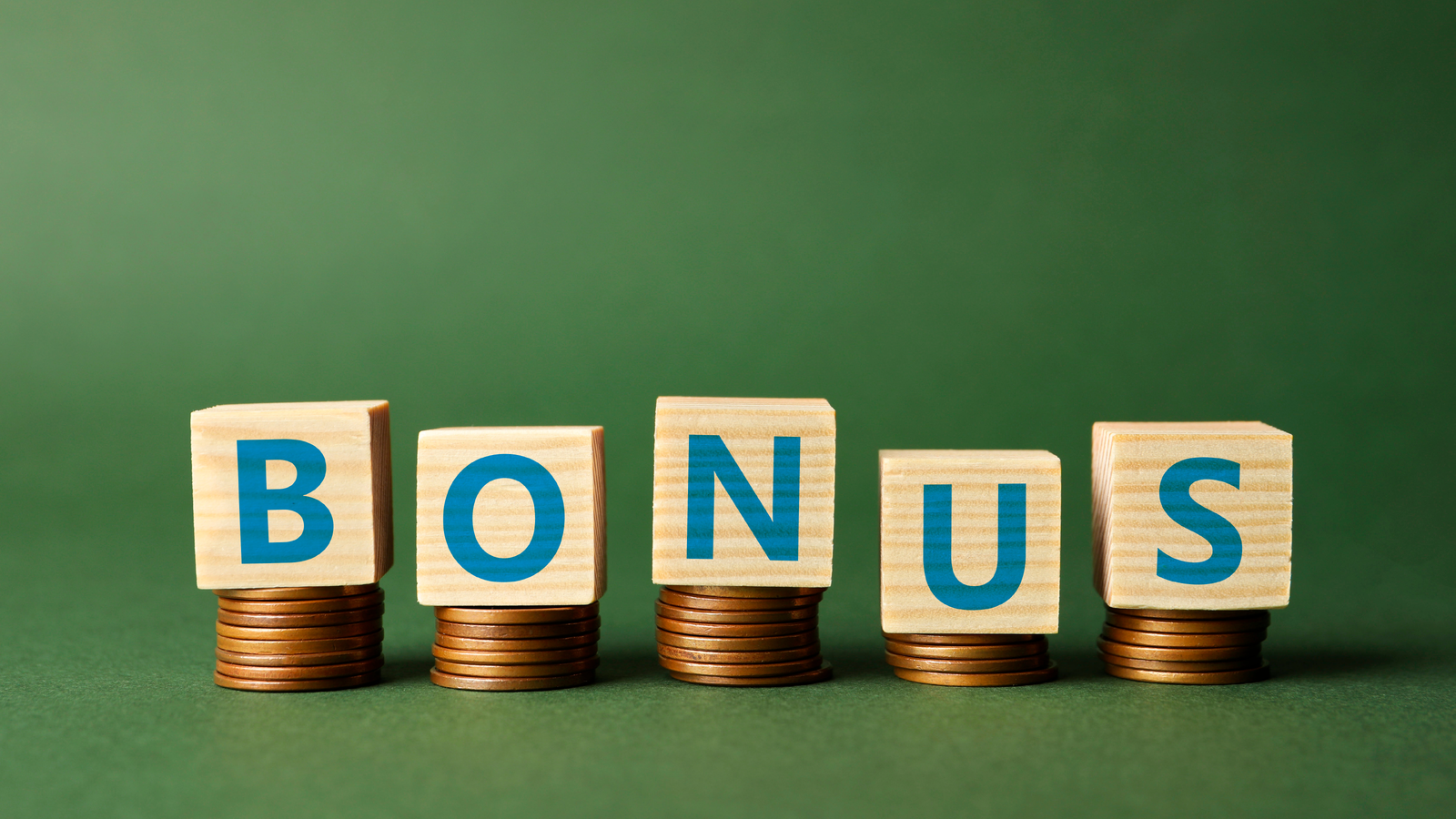
Bonuses are a central part of today’s financial, professional, and consumer systems. From motivating employees in the workplace to driving customer loyalty in retail or services, bonuses add measurable value. They are not only financial tools but also psychological levers that influence behaviours, boost morale, and strengthen long-term relationships. To truly understand their role, one must explore what bonuses are, their various types, and the strategies that make them effective.
What is a Bonus?
A bonus is an additional reward given beyond the regular salary, price, or benefit. It may take the form of cash, discounts, vouchers, loyalty points, or exclusive privileges. While bonuses are usually conditional, tied to specific goals or achievements, they are designed to create a sense of added value.
In professional environments, bonuses are structured to drive higher productivity, align employees with business objectives, and show appreciation. In consumer markets, bonuses work as marketing strategies that encourage repeat purchases, referrals, and customer retention. In both contexts, bonuses stand as motivators that shape outcomes and strengthen engagement.
Types of Bonuses in the Workplace
Bonuses in employment serve as both rewards and strategic tools for talent management. Key forms include:
Performance-Based Bonus
Awarded when employees exceed targets or deliver beyond expectations. It may be tied to measurable metrics such as sales numbers, project completion, or client satisfaction scores.
Annual or Year-End Bonus
A traditional bonus offered at the end of the financial year, often as a share of company profits. It rewards loyalty and reflects overall organisational performance.
Sign-On Bonus
Provided to attract top talent during recruitment. This upfront reward is common in competitive industries where skilled professionals are in high demand.
Retention Bonus
Used during mergers, acquisitions, or long-term projects to encourage employees to remain with the company. It reduces attrition during periods of uncertainty.
Profit-Sharing Bonus
Employees receive a portion of the company’s profits, creating a sense of ownership and shared achievement.
Consumer and Customer Bonuses
Outside employment, bonuses are equally influential in shaping consumer decisions. Examples include:
-
Cashback rewards on purchases
-
Loyalty points redeemable for products or services
-
Referral bonuses for introducing new customers
-
Seasonal bonuses such as festive discounts or free gifts
These schemes reward customers, strengthen brand relationships, and encourage repeat business. When designed well, they provide value to both the company and the consumer.
The Psychological Impact of Bonuses
Bonuses work because they tap into intrinsic human motivations. People enjoy recognition and respond positively to rewards, especially when they feel exclusive or unexpected. Their psychological effects include:
-
Motivation – Employees push harder when clear incentives are set.
-
Engagement – Customers feel valued and develop loyalty.
-
Competition – Performance-linked rewards encourage individuals and teams to excel.
When bonuses are consistent, fair, and meaningful, they can create long-term behavioural changes that benefit organisations and customers alike.
Designing an Effective Bonus Scheme
The success of any bonus system lies in its design. Effective schemes usually follow these principles:
-
Clarity – Employees or customers must clearly understand how the bonus is earned.
-
Relevance – The bonus should align with the organisation’s strategic goals.
-
Fairness – Rewards should reflect real effort and avoid favouritism.
-
Timeliness – Deliver bonuses promptly to reinforce positive actions.
-
Sustainability – Ensure financial feasibility so the system does not strain resources.
A well-structured bonus scheme creates a win-win situation, benefiting both the giver and the receiver.
Tax and Financial Considerations
In employment, bonuses are usually taxed as income, affecting both the net reward and company cost. For businesses, consumer bonuses carry financial implications in the form of discounts, rewards, or free products. Proper planning ensures that these schemes are both legally compliant and financially sustainable.
Common Challenges with Bonuses
Despite their effectiveness, bonuses can create challenges if not carefully managed:
-
Employees may start to expect bonuses as entitlements.
-
Motivation can decline once the bonus is received, leading to short-term gains only.
-
Businesses face financial pressure if bonuses are too frequent or excessive.
-
Poorly designed schemes may encourage unintended behaviours.
To avoid these pitfalls, organisations must regularly review their schemes, adjusting them to meet evolving goals.
The Role of Bonuses in Modern Business Culture
Bonuses have moved beyond being mere perks. Today, they serve as tools of strategy. Businesses use them to:
-
Retain and engage talent
-
Attract new customers
-
Strengthen brand reputation
-
Improve measurable performance outcomes
Bonuses, when integrated thoughtfully into company culture, build stronger, more loyal communities of employees and customers.
Real-Life Examples of Bonus Effectiveness
-
A retail chain introduced seasonal loyalty bonuses, increasing repeat purchases by 30% in three months.
-
An IT company offered retention bonuses during restructuring, keeping 90% of key staff.
-
A hospitality brand launched referral bonuses, significantly boosting new customer sign-ups.
These examples prove that well-structured bonuses can create real and lasting results across industries.
Future Trends in Bonuses
The concept of bonuses is evolving rapidly with technology and consumer expectations. Emerging trends include:
-
Digital rewards via e-wallets and virtual currencies
-
Eco-friendly bonuses rewarding sustainable actions
-
Personalised schemes tailored through data insights
-
Hybrid models that combine monetary and non-monetary incentives
Organisations that embrace these trends will continue to gain an advantage in employee engagement and customer loyalty.
FAQs About Bonuses
What is the main difference between a bonus and a commission?
A bonus is typically a one-off reward for exceeding expectations, while a commission is a recurring payment directly linked to measurable sales outcomes.
Can bonuses improve long-term employee retention?
Yes. Retention and profit-sharing bonuses in particular tie employees both financially and emotionally to their organisation.
Are customer bonuses always effective?
They are most effective when easy to redeem and genuinely valuable. Complicated or insincere bonuses can backfire and harm reputation.
How can companies ensure fairness in bonuses?
By setting transparent, measurable criteria and applying them consistently across eligible individuals.
What are some popular non-monetary bonuses?
Extra paid leave, flexible schedules, training opportunities, and recognition awards are often highly valued.
Do bonus practices differ across industries?
Yes. Finance and sales rely heavily on financial bonuses, while creative and non-profit sectors often focus more on recognition and lifestyle perks.
