
10
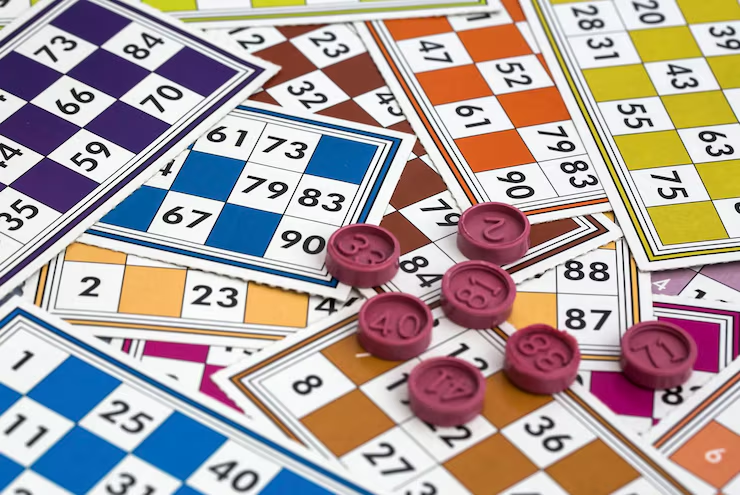
For decades, bingo carried an unmistakable cultural shorthand. Mention the word, and most people pictured the same scene: rows of fluorescent lights hummed over folding tables, a haze of cigarette smoke lingered near the ceiling, and the only permitted sound was the rhythmic rattle of plastic balls inside a wire cage. It was methodical, quiet, and fiercely routine. If you talked while numbers were called, you risked a sharp glare from someone guarding a dozen cards with an array of multi-colored ink daubers.
That nostalgic postcard still exists in community centers across the country, but it no longer defines the game. Over the past few years, bingo has undergone an extraordinary reinvention. Far from fading into obscurity alongside other parlor pastimes, it has morphed into raucous weekend nightlife, transformed taproom culture, and found a thriving second life across digital screens.
By stripping away the stiff etiquette and leaning into raw social energy, modern creators have shown that an old game does not need rewritten rules to capture a brand-new audience. It simply needs an atmosphere that understands how people connect today.
The Transformation from Silent Halls to High-Octane Events
The most dramatic shift in modern bingo happened when organizers realized that silence was never the game’s core appeal. Anticipation was.
Across major cities, event-style bingo nights now fill concert venues, warehouse spaces, and boutique bowling alleys. Instead of hushed halls where talking earns a reprimand, these gatherings intentionally turn up the volume. Pulsing lighting rigs, live DJs, confetti cannons, and costumed hosts transform a simple game of chance into a shared spectacle.
Between rounds of number calls, players find themselves pulled into impromptu lip-sync battles, communal sing-alongs, and tabletop dance sessions. The prizes reflect that playful irreverence: winners might take home a vintage toaster or an oversized cardboard cutout of a pop icon right before someone else wins cold hard cash.
The underlying framework remains the exact game played for generations, yet the context feels closer to a festival than a church basement. For a demographic increasingly weary of standard bar scenes and passive nightclub outings, these events offer an active, structured way to celebrate without taking themselves too seriously.
Reimagining the Board: The Rise of Themed Formats
Atmosphere is only half the equation; the grid itself has seen clever creative updates. While traditional number-based play still anchors major tournaments, custom-themed formats have created entry points for people who never considered themselves bingo players.
Music Bingo
Music bingo has quickly become a staple of casual entertainment. Instead of scanning cards for “B-12” or “O-68,” players receive cards printed with song titles and artists. When the host drops a 30-second snippet of an eighties rock anthem, a nineties hip-hop hook, or a contemporary pop hit, the entire room sings along while checking their grids. It combines the thrill of a name-that-tune competition with the low-stress mechanics of a standard bingo card.
Drag and Comedy Bingo
Other venues pair the game with performance art. Drag bingo nights have turned into genuine cultural fixtures in neighborhoods nationwide, using the downtime between calls for sharp-witted crowd work, stand-up comedy, and high-energy performances. The card serves as an interactive anchor that keeps the audience invested from start to finish, giving performers a built-in rhythm to play against.
Why Breweries and Hospitality Spaces Embraced the Dauber
The modern hospitality industry has had to rethink how it attracts patrons on slower weeknights. Trivia nights long held the crown for midweek bar programming, but trivia comes with inherent friction. It requires a specific kind of knowledge base, punishes players who fall behind early, and can easily alienate casual visitors who just want to unwind with a drink.
Bingo solves every single one of those problems.
Zero barrier to entry is its greatest operational strength. A newcomer can walk into a local craft brewery on a Tuesday, grab a pint, pick up a paper card, and hold the exact same odds of winning as the veteran sitting two tables over. There is no learning curve to climb and no embarrassment in missing a reference.
Because checking off a square takes only a split second of attention, players can easily maintain conversations, order food, and socialize without falling out of contention. That effortless balance between low-intensity focus and easy conversation makes bingo an ideal catalyst for neighborhood community-building.
Digital Platforms and the Preservation of Community
While in-person experiences lean heavily into music and spectacle, digital bingo has evolved along its own impressive path.
Early video game adaptations often reduced bingo to a solitary, mechanical exercise in tapping numbers on a phone screen. Modern platforms have realized that bingo without a human pulse quickly becomes repetitive. In response, modern mobile and web-based games increasingly integrate live video hosts, real-time audio rooms, and vibrant chat channels.
These environments mimic the camaraderie of regional halls on a national scale. Regular players build relationships within specialized digital rooms, celebrating each other’s wins and engaging with charismatic hosts who call numbers live on stream. Modern software also handles card organization automatically, freeing participants to socialize without the anxiety of missing a critical square across several active boards.
Rather than isolating the user, thoughtful design keeps the human connection front and center, proving that the digital space can support real communities when approached with care.
The Enduring Genius of Shared Anticipation
Looking past the confetti, the craft beer, and the smartphone screens, modern bingo succeeds because its foundational mechanics are fundamentally timeless.
Human beings are wired to enjoy pattern recognition and low-stakes suspense. Every uncalled square represents a bundle of possibilities; every near-complete line delivers a jolt of genuine adrenaline. Unlike games that require intense strategic planning or physical coordination, bingo places everyone on equal footing under the laws of pure probability.
In a modern entertainment landscape crowded with complex systems and endless choices, that simplicity feels refreshing rather than dated. By stripping away outdated formalities while honoring the game’s core thrill, modern hosts and developers have preserved a classic piece of leisure culture for generations to come.
